
Mental Health Matters.
Whether you know it or not, how you feel makes all the difference in your everyday life. The impact shows up in the choices you make each day. The way you respond to challenges, interact with others, and even speak to yourself often reflects what’s going on internally.
Are your actions those of someone operating through love or fear? At the ends of the emotional spectrum lie these two opposites, and much of what we do falls somewhere between them. Sometimes we act out of confidence, compassion, and self-trust. Other times we react from stress, insecurity, or the need to protect ourselves.
Because of this, it’s important to take note of which emotions are motivating your everyday actions. Awareness is often the first step toward change. When you begin to notice your patterns—how you think, react, and cope—you start to gain more control over them.
My goal in this blog is not only to make you more aware of why you operate the way you do, but also to provide tips for breaking negative cycles and becoming the best version of yourself. Wellness is not about perfection; it’s about small, intentional choices that move you toward a healthier and more balanced life.
In this post, I want to share three habits that have helped improve my own mental health and brought more balance into my daily life.
Habit #1 – Therapy

Everyone needs therapy. Admittedly, some more than others. However, everyone could benefit from talking to a professional at some point in their life. Many people think therapy is only for those experiencing a serious mental health crisis, but that simply isn’t true. In fact, therapy can be one of the best tools for self-awareness and personal growth.
Research supports this as well. Studies show that around 75–80% of people who attend therapy experience measurable improvements in their mental health, and many report feeling better within the first 8–10 sessions.
Therapy has helped me immensely in self-analyzing and understanding my own thoughts and behaviors. A therapist can help you sort through complicated thoughts, emotions, and feelings that might otherwise feel overwhelming. They provide an outside perspective and help identify patterns you may not notice on your own.
Another important aspect of therapy is accountability. A therapist can help keep you focused on improving yourself and making positive changes in your life. Ultimately, therapy isn’t just for when things are falling apart—it’s a powerful tool for maintaining and improving your mental health before you ever reach that point.
Habit #2 – Deep Breathing
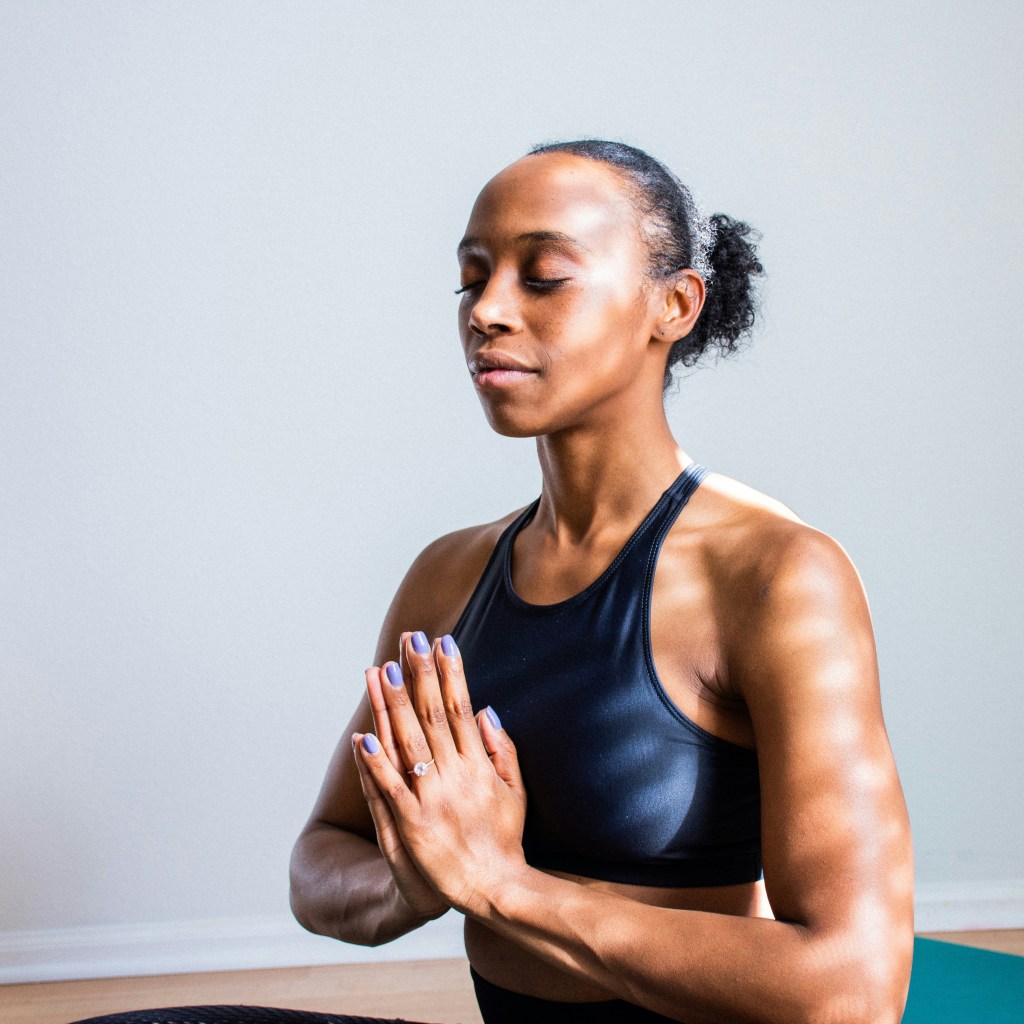
Sometimes all you need is a deep breath. It’s truly amazing that something so simple can bring your stress level down a few notches. Deep breathing is one of the easiest and most accessible tools we have for managing our mental health, yet many of us forget to use it when we need it most.
Deep breathing is about intentionally slowing down and checking in with yourself. In our day-to-day lives, we often move from task to task without stopping to notice how we actually feel. Taking a moment to breathe deeply gives you a chance to pause and ask yourself a few important questions: How am I feeling right now? What’s causing this stress? What can I do in this moment to feel a little better?
There’s also real science behind why deep breathing works. When you take slow, controlled breaths, you activate the parasympathetic nervous system, which is responsible for calming the body down after stress. Research has shown that slow breathing techniques can reduce cortisol, the body’s main stress hormone, and help lower heart rate and blood pressure.
Certain techniques, like box breathing or nasal breathing, are especially effective. Box breathing—used by athletes, meditators, and even Navy SEALs—involves inhaling for four seconds, holding for four seconds, exhaling for four seconds, and holding again for four seconds before repeating the cycle. This structured breathing pattern helps regulate your nervous system and quickly brings your body back to a calmer state.
At the end of the day, our body is our temple, and deep breathing is one of the simplest ways to take care of it. Think of it like hitting a reset button for your mind and body. In moments of stress, frustration, or overwhelm, something as small as a single intentional breath can make all the difference.
The best part is that deep breathing doesn’t require any special equipment, money, or training. It’s a tool you carry with you everywhere. The more you practice it, the easier it becomes to use when life starts to feel overwhelming.
Habit #3 – Choosing the better feeling

I was originally tempted to call this habit positive thinking, but that didn’t feel exactly right. This habit isn’t about pretending everything is perfect or forcing yourself to think unrealistically positive thoughts. Instead, it’s about catching negative thoughts and replacing them with slightly better ones.
Many of us have a constant stream of thoughts running through our minds, and unfortunately those thoughts often lean toward the negative. When something goes wrong, it’s easy to immediately jump to worst-case scenarios or harsh self-criticism. Over time, this pattern can take a serious toll on our mental health.
The goal of this habit is to pause and check those thoughts when they appear. Instead of letting them run wild, try substituting them with a thought that feels a little more balanced or constructive. It doesn’t have to be extremely positive—it just has to feel more helpful and more true.
I first learned this technique in the book Ask and It Is Given by Esther Hicks and Jerry Hicks. They describe something called the emotional spectrum, which suggests that our emotions exist on a scale. The idea is to gradually work your way up that scale by choosing thoughts that feel slightly better than the ones you’re currently having.
For example, if your mind says, “Nothing ever works out for me,” jumping straight to “Everything in my life is perfect” probably won’t feel believable. But replacing that thought with something like “Things don’t always go my way, but sometimes they do” might feel more realistic. That small shift can slowly change your emotional state.
Over time, these small adjustments in thinking can add up to big changes in how you experience life. When you practice catching negative thoughts and gently reframing them, you begin to create a more supportive inner dialogue.
Choosing to think more positively—while still being honest with yourself—is crucial for long-term happiness and emotional resilience. The thoughts we repeat most often shape how we see the world, how we treat ourselves, and how we respond to challenges.
Like the other habits in this list, this one takes practice. But the more aware you become of your thoughts, the easier it becomes to guide them in a healthier direction
Conclusion
Taking care of your mental health doesn’t always require huge life changes. More often than not, it comes down to the small habits you practice consistently over time. The way you care for your mind each day shapes how you experience the world around you.
Therapy can help you better understand yourself and provide guidance when life feels complicated. Deep breathing gives you a simple way to calm your body and reset your mind in stressful moments. Learning to choose better-feeling thoughts allows you to slowly reshape your inner dialogue and build emotional resilience.
None of these habits require perfection. They simply require awareness and a willingness to take small steps toward improvement. The more you practice them, the more natural they become.
Mental health is a lifelong journey, and every small effort counts. If you start with even one of these habits today, you’re already moving in the right direction toward a healthier, more balanced version of yourself.
If you enjoyed this post, feel free to share it with someone who might need a reminder to take care of their mental health.
What habits help you maintain your mental health? Let me know in the comments.
 THE DEN
Leave a comment